
Have you ever walked through a building that didn’t exist yet? I don't mean squinting at a 2D floor plan or hovering over a 3D model on a 24-inch monitor. I mean, actually walking through it feeling the scale of the atrium, checking the sightlines from the corner office, and realizing the HVAC ducting is about three inches too low before a single cubic yard of concrete has been poured.
According to recent industry data from Dodge Data & Analytics, rework accounts for nearly 9% of total project costs in commercial construction. In a $100 million development, that’s $9 million evaporated due to miscommunication or late-stage design changes. But the tide is shifting. By merging Autodesk Revit’s data-rich environment with the immersive power of Virtual Reality (VR), the AEC industry is moving toward a "zero-error" design philosophy.
As we look toward 2026, this isn't just a cool gadget for the marketing team; it’s becoming the backbone of professional delivery.
The Data Engine: Why Revit is the Only Foundation That Matters
Before we talk about headsets and haptics, we have to talk about the "I" in BIM: Information. Virtual Reality is only as good as the data feeding it. If you put "garbage in," you get a "pretty VR garbage" output.
From Static Geometry to Living Data
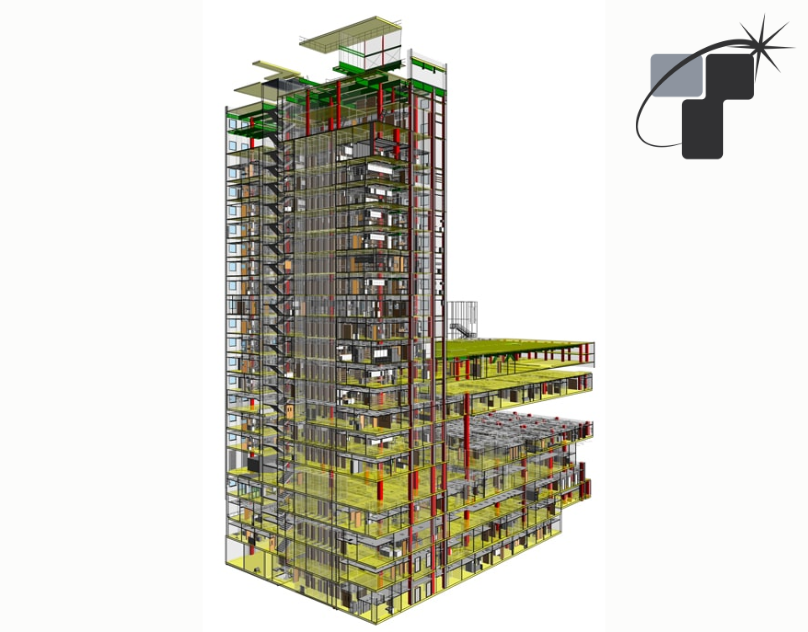
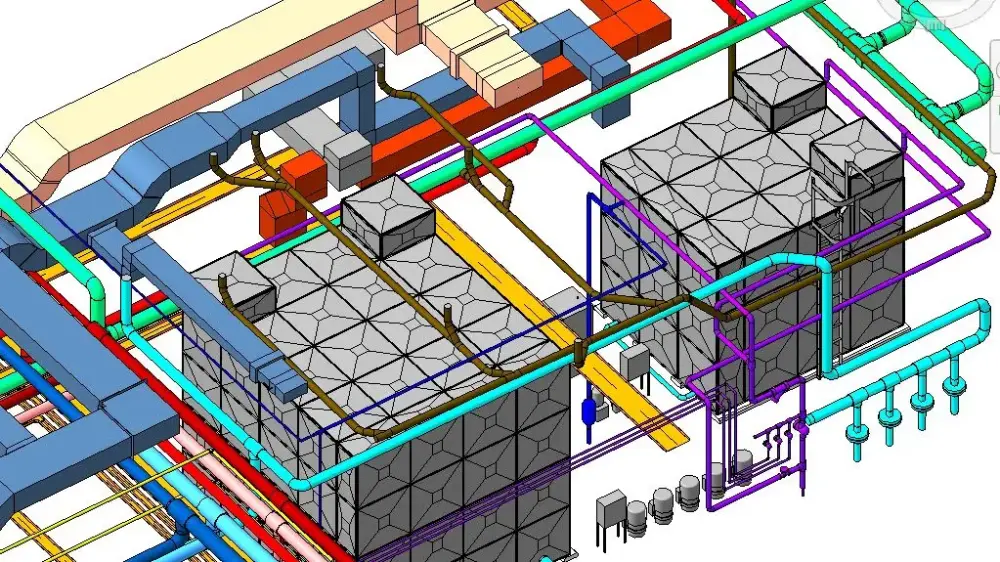
Revit serves as the single source of truth. In commercial architecture, where mechanical, electrical, and plumbing (MEP) systems are highly dense, coordination occurs in the Revit database. When we bridge this to VR, we aren't just looking at digital walls; we are looking at metadata.
Advanced plugins now allow users to click an object within a VR environment and see its Revit parameters—manufacturer specs, fire ratings, and lead times. However, for this to work seamlessly, the foundational components must be built correctly. This is where high-quality Revit family creation becomes critical; if your parametric families aren't optimized for both data and performance, the VR experience will lag, stutter, and ultimately fail to provide the clarity needed for decision-making.
Real-Time Synchronization
The "Old Way" involved exporting a file, converting it, and losing half the textures in the process. Today, real-time engines like Enscape, Twinmotion, and V-Ray allow for a "Live Link." When an architect moves a curtain wall in Revit, the client—standing in a VR headset in another city, sees the wall move instantly. This removes the "lag" in decision-making that traditionally plagues large-scale commercial projects.
Bridging the Gap: Stakeholder Empathy in the Virtual Space
One of the hardest parts of my 15 years in this industry has been bridging the "vision gap." Architects see in 3D; clients often see in budgets and spreadsheets. VR acts as the great translator.
The Client Experience: Buying into the Vision
For a developer, a $50 million commercial high-rise is a massive risk. VR mitigates that psychological barrier. When a stakeholder can experience the "compressed" feeling of a lobby or the natural light at 4:00 PM in mid-winter (simulated accurately via Revit’s solar studies), the "Yes" comes much faster.
Multi-User Coordination: The Virtual War Room
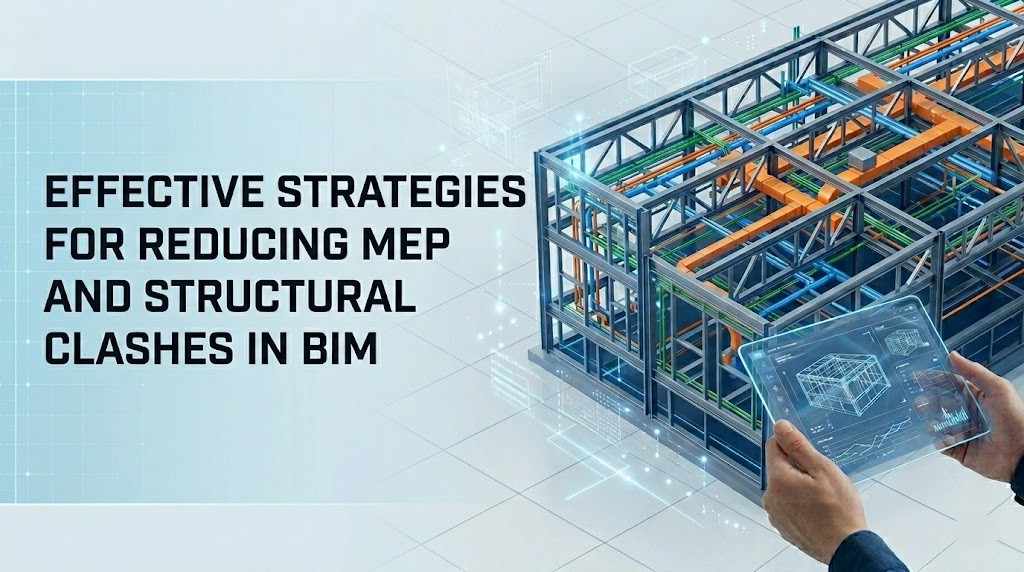
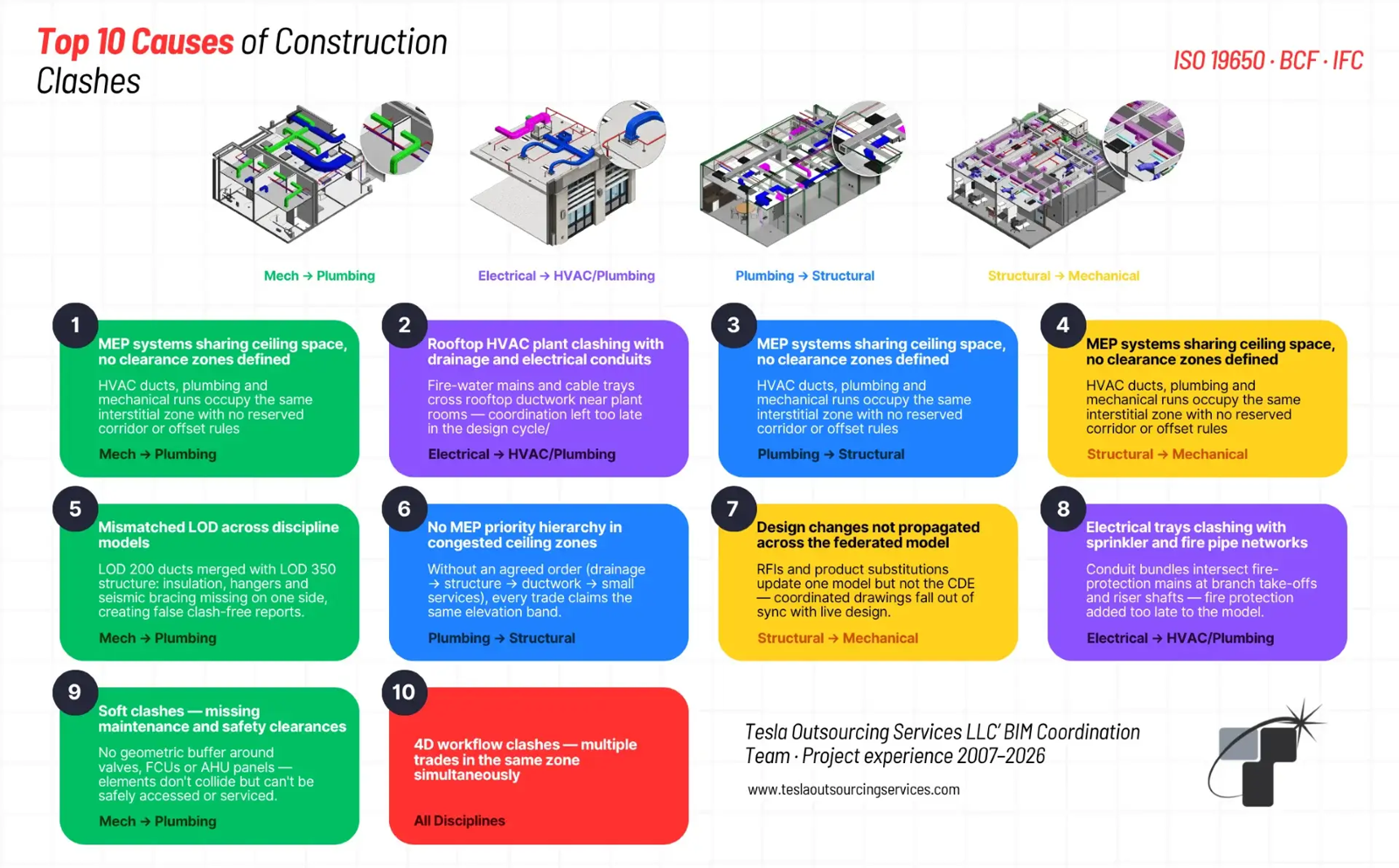
We are seeing a rise in "social VR" in the AEC industry. Imagine the Structural Engineer in London, the Architect in New York, and the MEP Consultant in Dubai all donning headsets to meet inside the Revit model. They can point, annotate, and "clash detect" in real-time.
"It’s one thing to see a clash report on a spreadsheet; it’s another to stand next to a 12-inch steel beam that is physically bisecting a primary air duct," says one Senior Project Manager at a global Tier-1 firm.
From Virtual Immersion to On-Site Reality
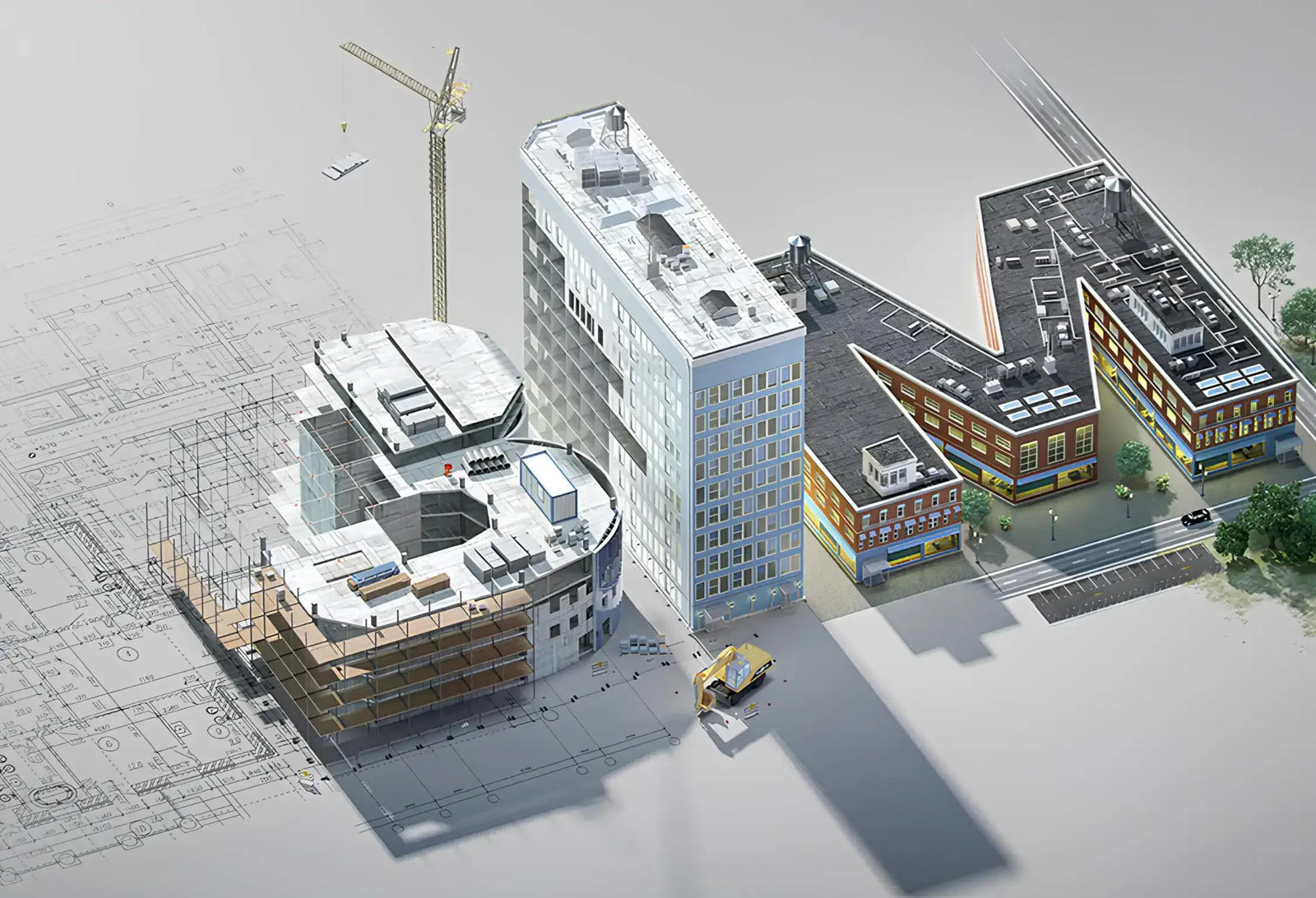
While the "wow factor" of VR is undeniable during the design phase, its true value is realized when those virtual decisions are translated into buildable documents. A perfect VR walkthrough is useless if the site team doesn't have the granular details to execute it.
We’ve seen this transition play out in real-world scenarios, where the immersive model serves as the blueprint for high-precision output. For instance, a detailed case study on Revit construction documentation for commercial buildings shows how the transition from a coordinated 3D environment to 2D shop drawings ensures that what was "seen" in VR is exactly what gets "built" on the slab.
Overcoming the : Technical Challenges
It hasn't all been smooth sailing. If you tried VR five years ago, you probably ended up with a headache or a crashed workstation. The integration of Building Information Modeling (BIM) and VR faces three primary hurdles:
Hardware Parity: To run a Revit model with 500,000+ elements in VR, you need serious GPU horsepower.
Model Optimization: Professional BIM models are "heavy." We’ve had to learn the art of "poly-counting"—stripping out the interior screw threads of a furniture family so the VR frame rate stays above 90 FPS (the "no-nausea" threshold).
The Learning Curve: Transitioning a traditional drafting team into a VR-first workflow requires a cultural shift, not just a software update.
However, with the release of lightweight, high-fidelity headsets like the Meta Quest 3 and the high-end Apple Vision Pro, the barrier to entry has dropped significantly. We are moving from "tethered" stations to "standalone" mobility.
Actionable Takeaways: How to Implement VR into Your Workflow
If you’re a firm principal or a BIM Manager looking to jump in, don't just buy a headset and hope for the best. Follow this roadmap:
Start with "Live-Link" Software: Don't worry about complex game engines like Unity yet. Use tools like Enscape or Twinmotion that plug directly into Revit.
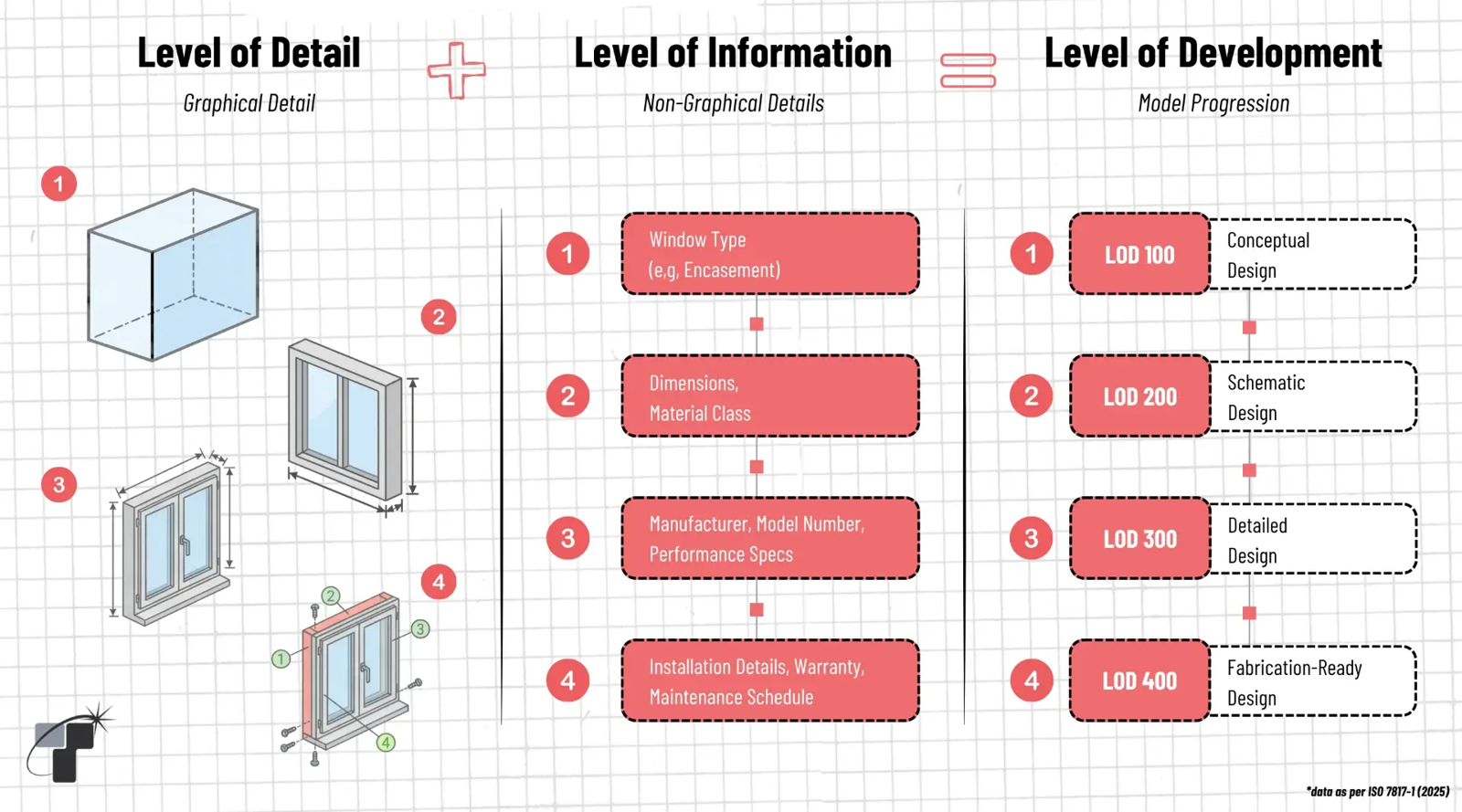
Audit Your Families: Ensure your Revit families are clean. Over-modeled families will kill your VR performance. Use "Coarse" or "Medium" detail levels for VR exports.
Establish a 'VR Review' Milestone: Make VR walkthroughs a part of your 30/60/90% design reviews. Don't save it for the final presentation.
Focus on the 'Human Scale': Use VR specifically to test ADA compliance and ergonomics, things that are notoriously difficult to judge on a flat screen.
The Road Ahead: AI, Digital Twins, and Beyond
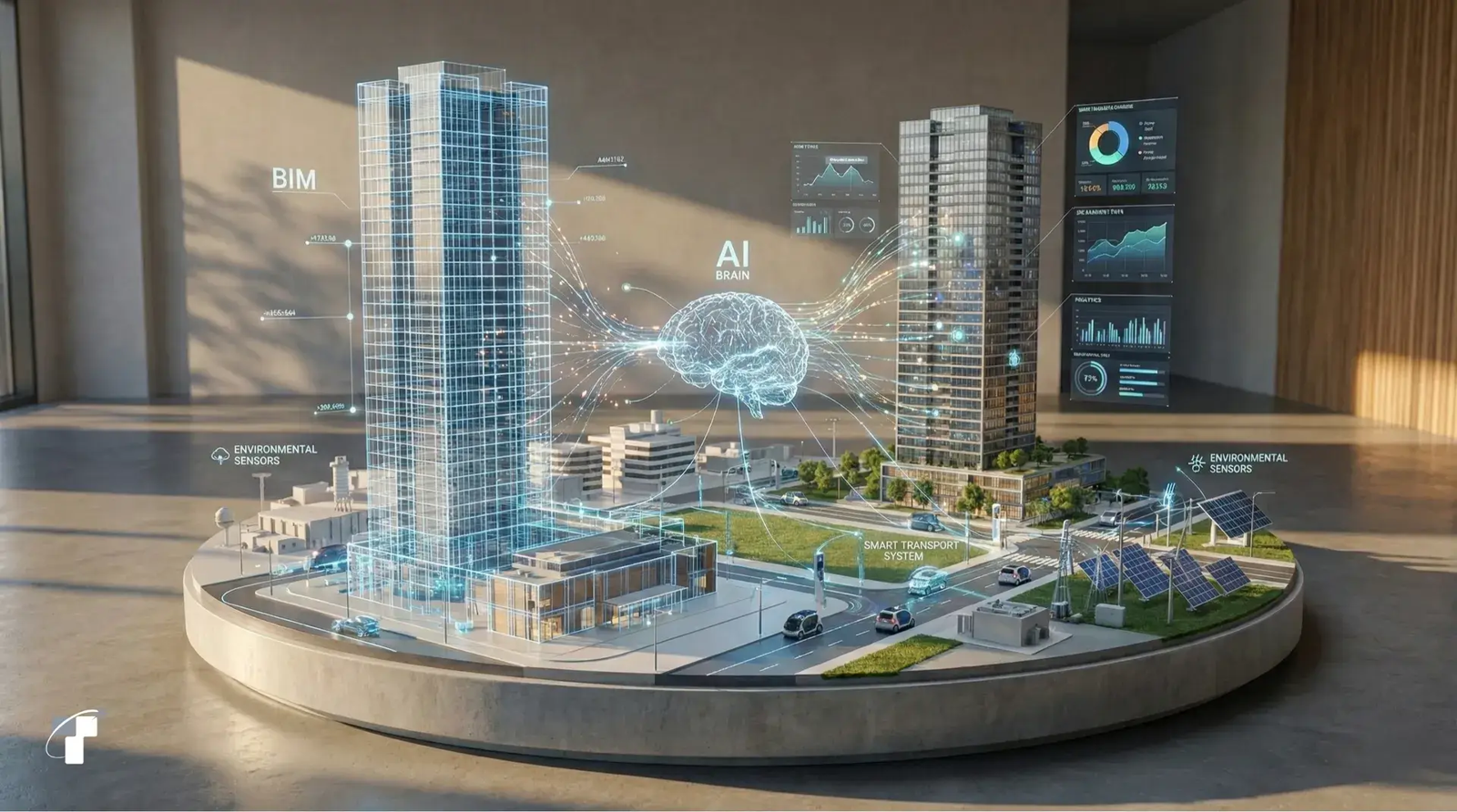
The future of commercial architecture isn't just "seeing" the building; it’s interacting with its future self. We are entering the era of the Digital Twin.
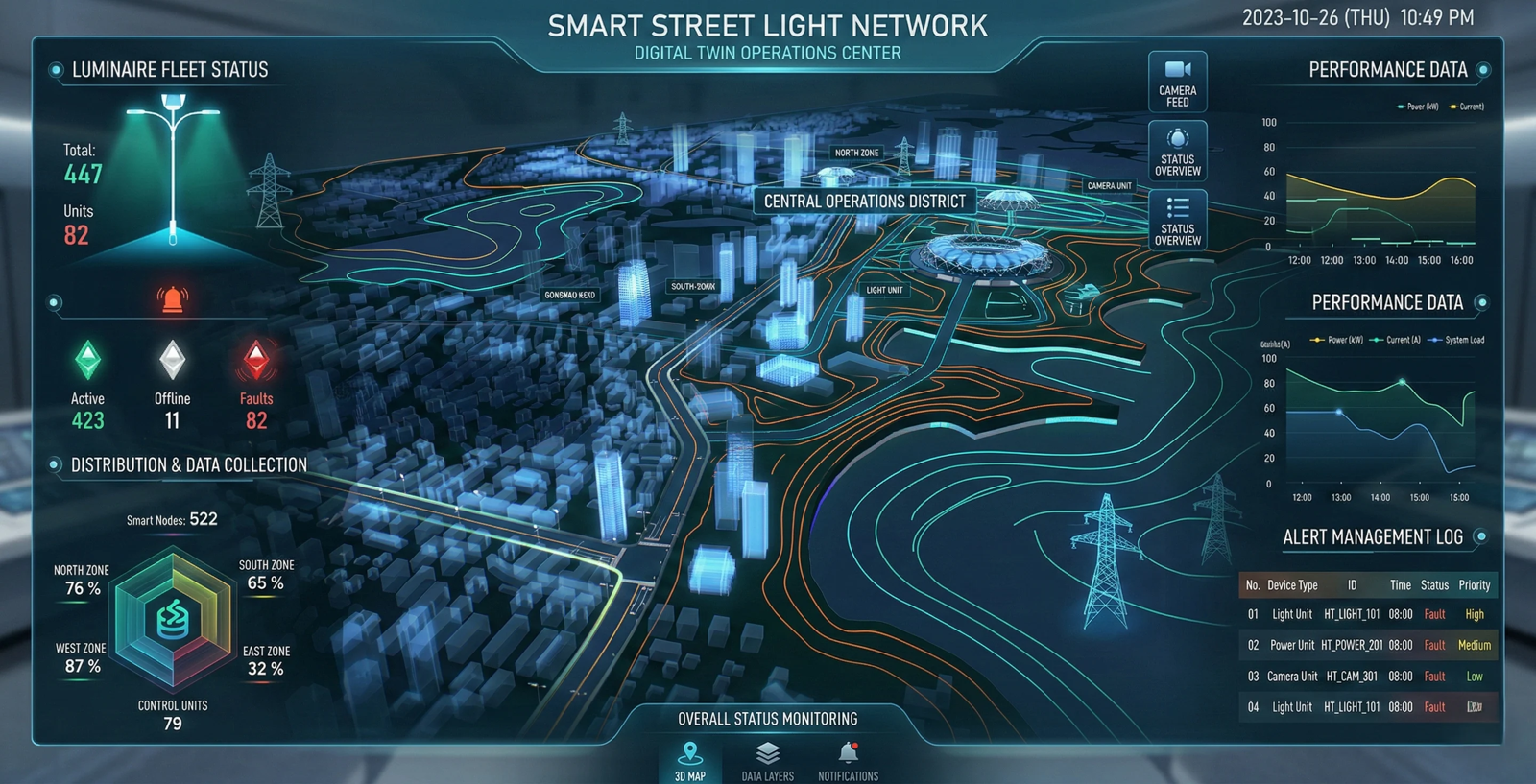
Soon, the Revit model we build today will be fed with real-time IoT (Internet of Things) sensor data. A facility manager can put on a headset and see "through" walls to identify which pipe is leaking or which HVAC unit is underperforming, using live thermal overlays.
We are no longer just drawing buildings; we are scripting experiences. By merging Revit’s precision with VR’s immersion, we are finally closing the gap between what we imagine and what we build.


Write a comment ...