
It is one thing to read a forecast about "the future of construction," and quite another to actually sit in a site trailer in 2026, looking at a punch list that’s being updated in real-time by a drone overhead. After 15 years in this industry, I’ve seen plenty of "disruptors" come and go, but the shift we are seeing right now is different. It’s less about shiny gadgets and more about interoperable ecosystems.
The gap between the design office and the muddy boots on-site is finally closing. Here is how we are actually applying the top trends of 2026 to move from concept to completion without the traditional headaches.
1. AI-Driven Generative Design: Beyond the "Cool" Factor
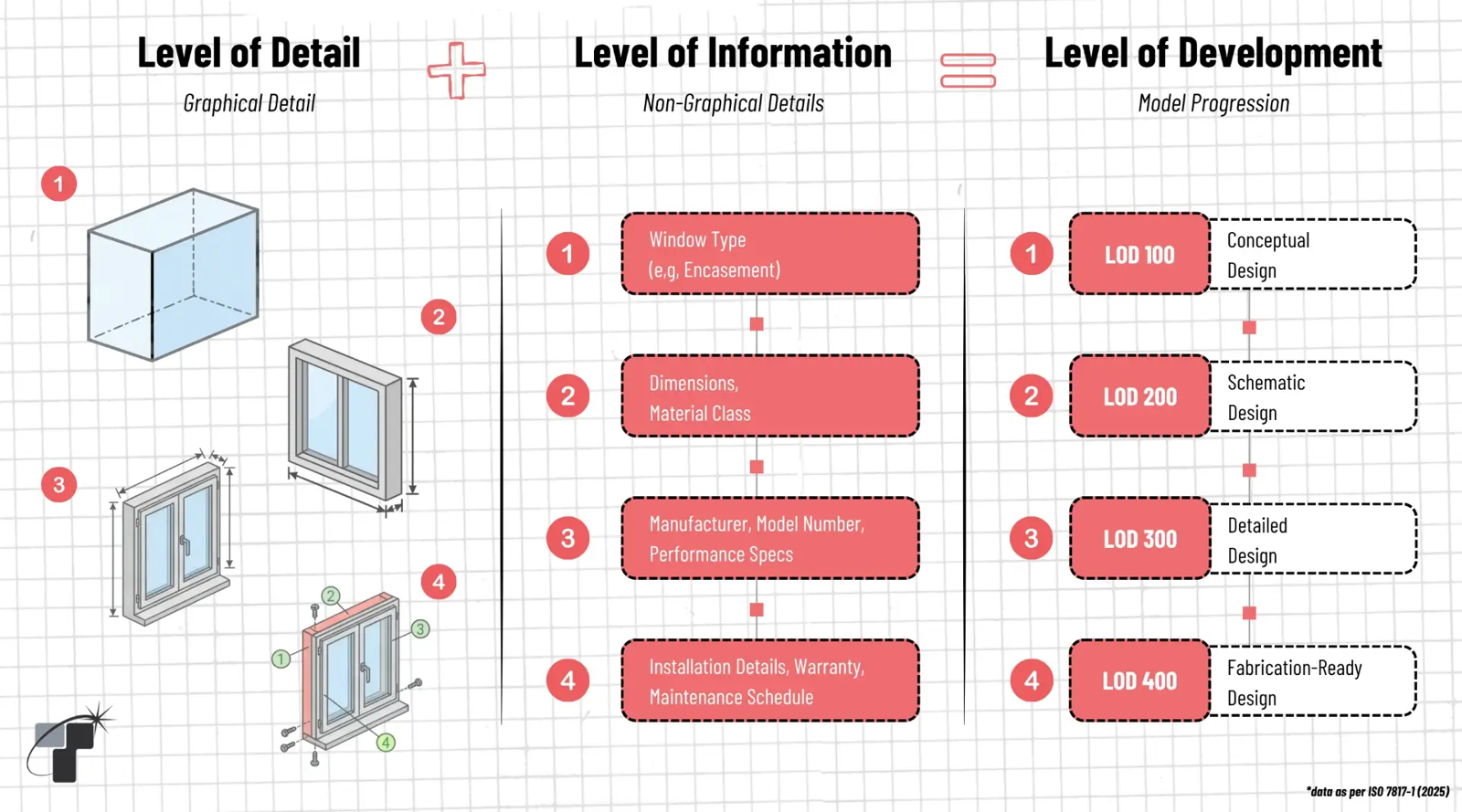
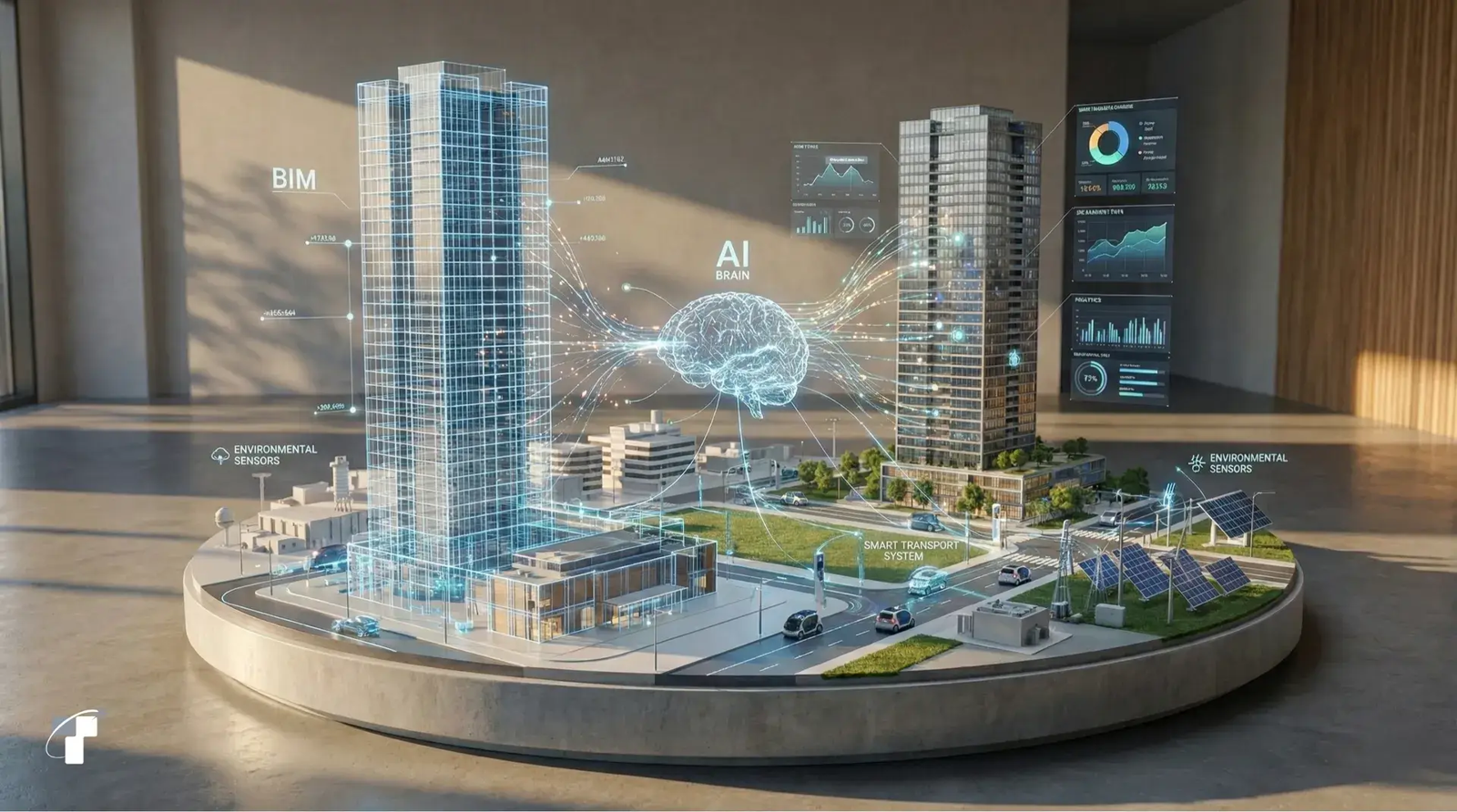
In the past, we used BIM to document what we already decided. In 2026, we are using AI to decide what to document. Architects are now leveraging generative design to run thousands of permutations for energy efficiency and material usage before the first line is even finalized.
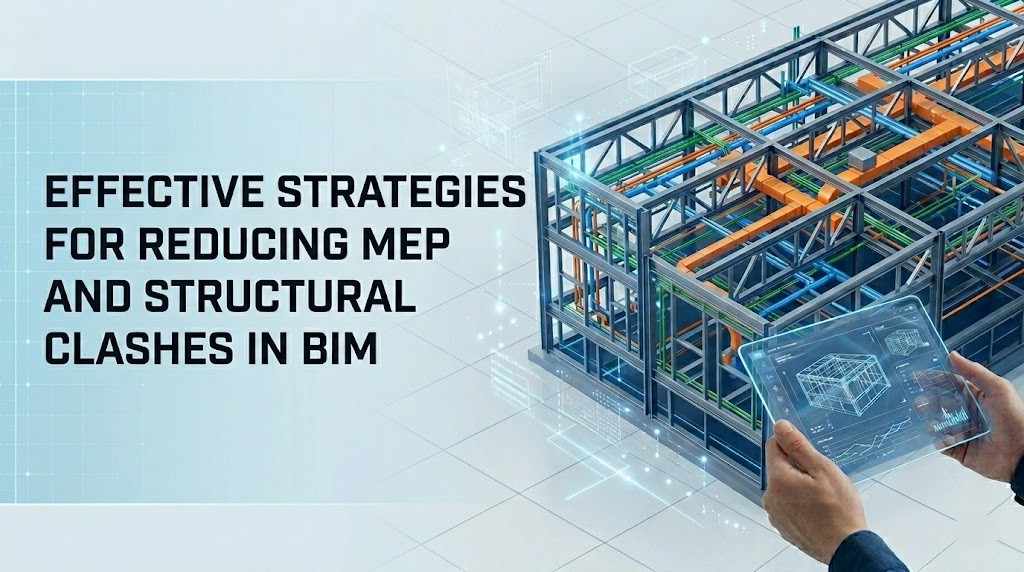
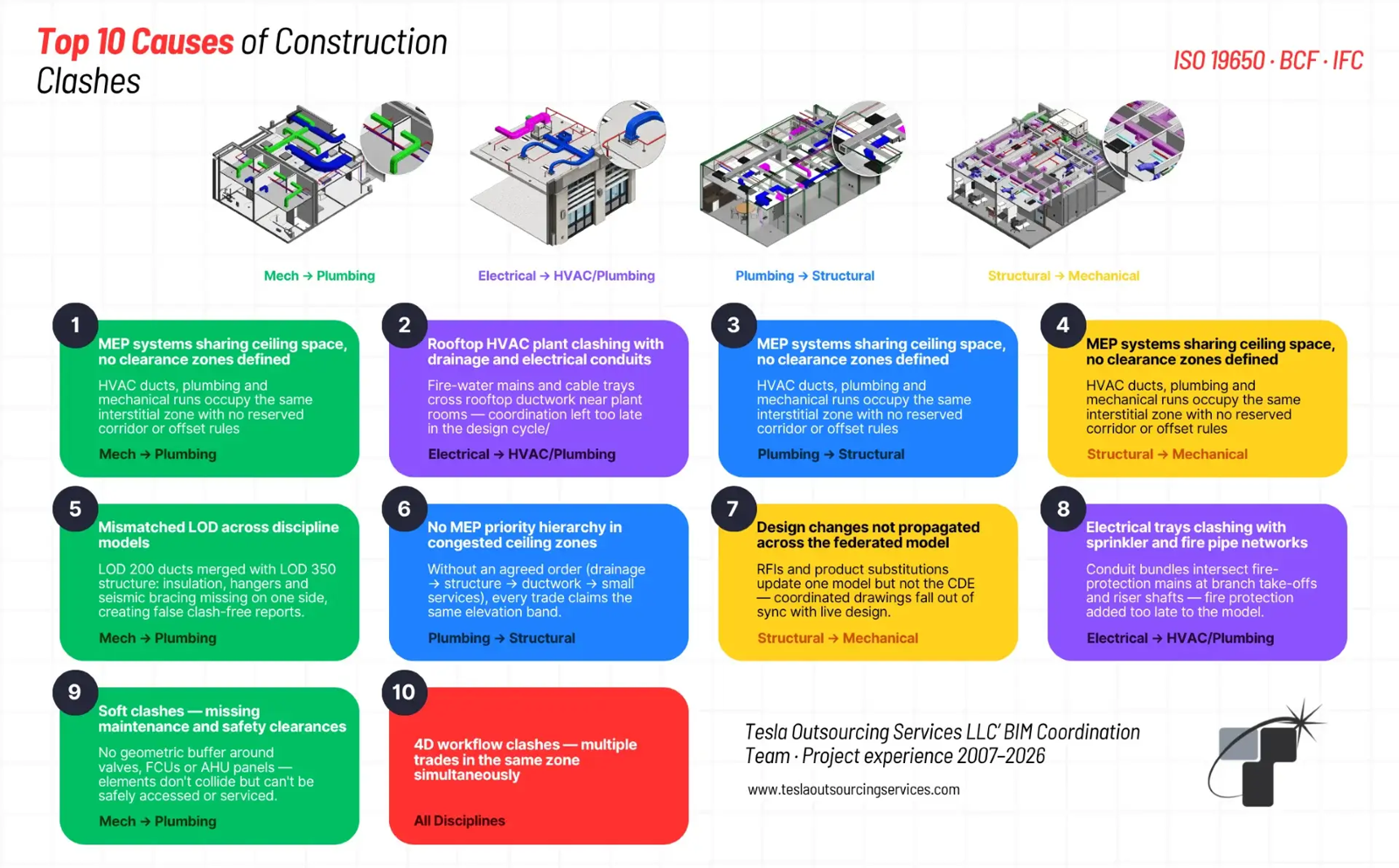
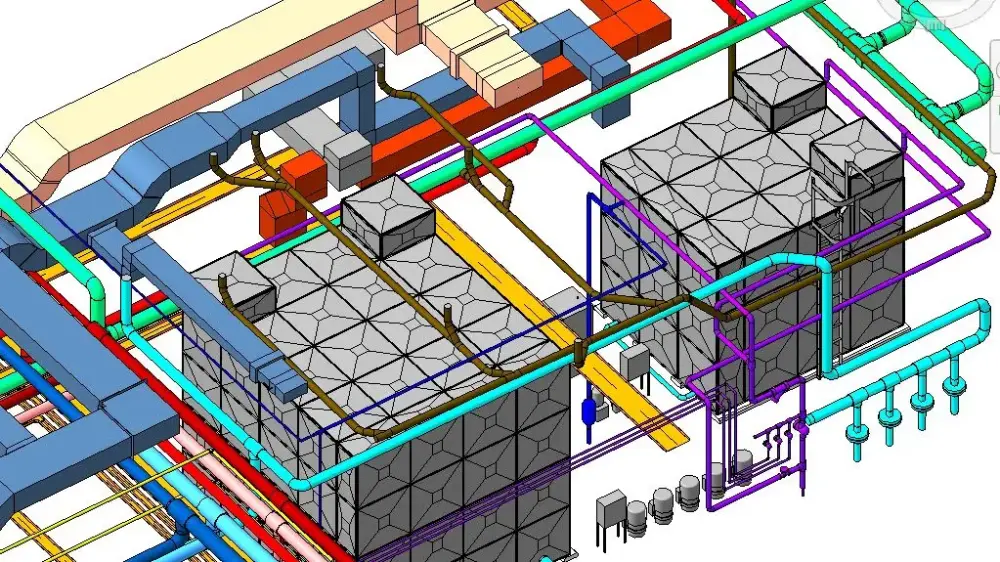
But the real value is for the engineers and contractors. We’re seeing a massive uptick in Automated Clash Resolution. Instead of a coordinator spending hours manually moving a duct, the software suggests the most cost-effective path that meets code. This isn’t just a time-saver; it’s a margin-saver.
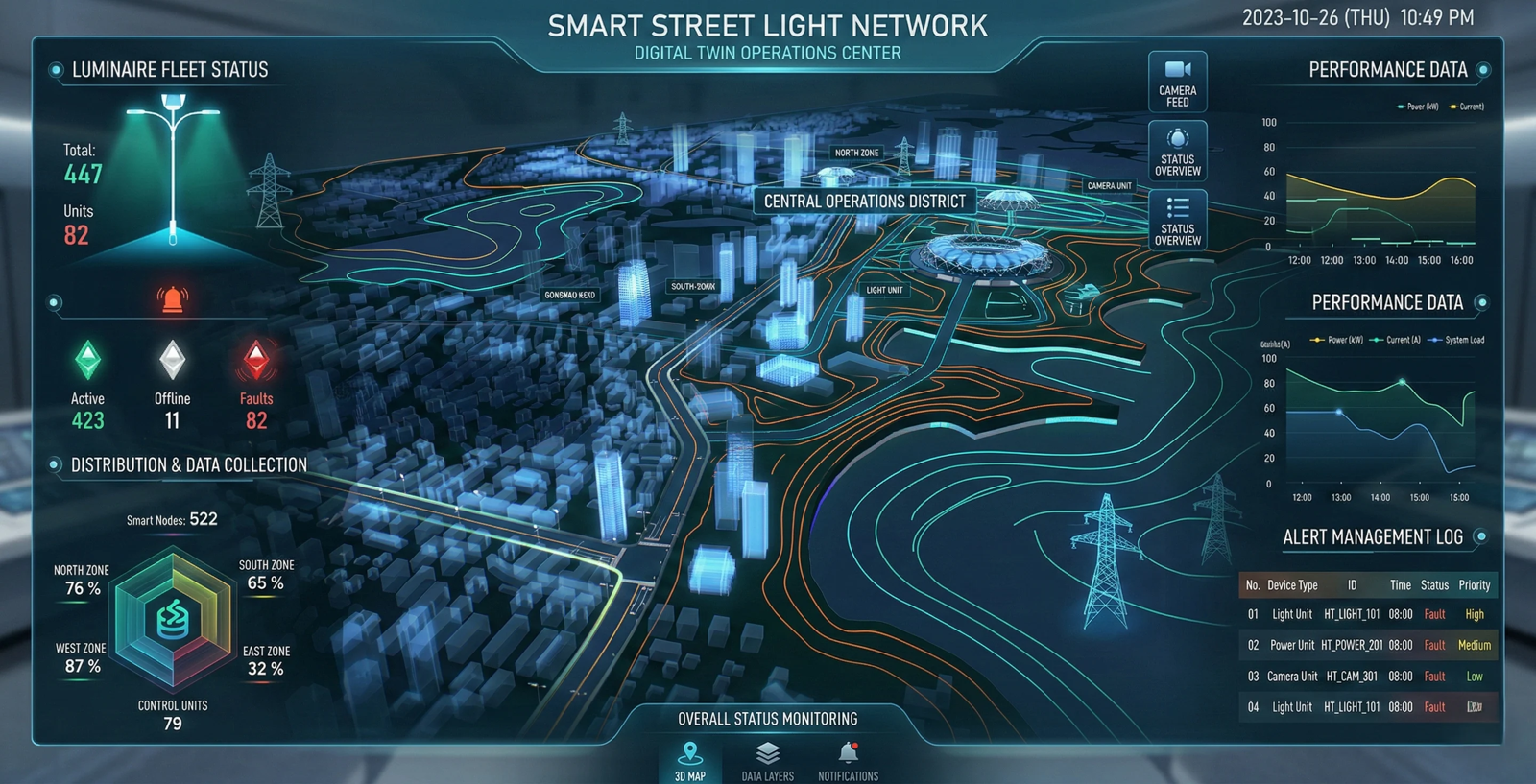
2. The Rise of the "Live" Digital Twin
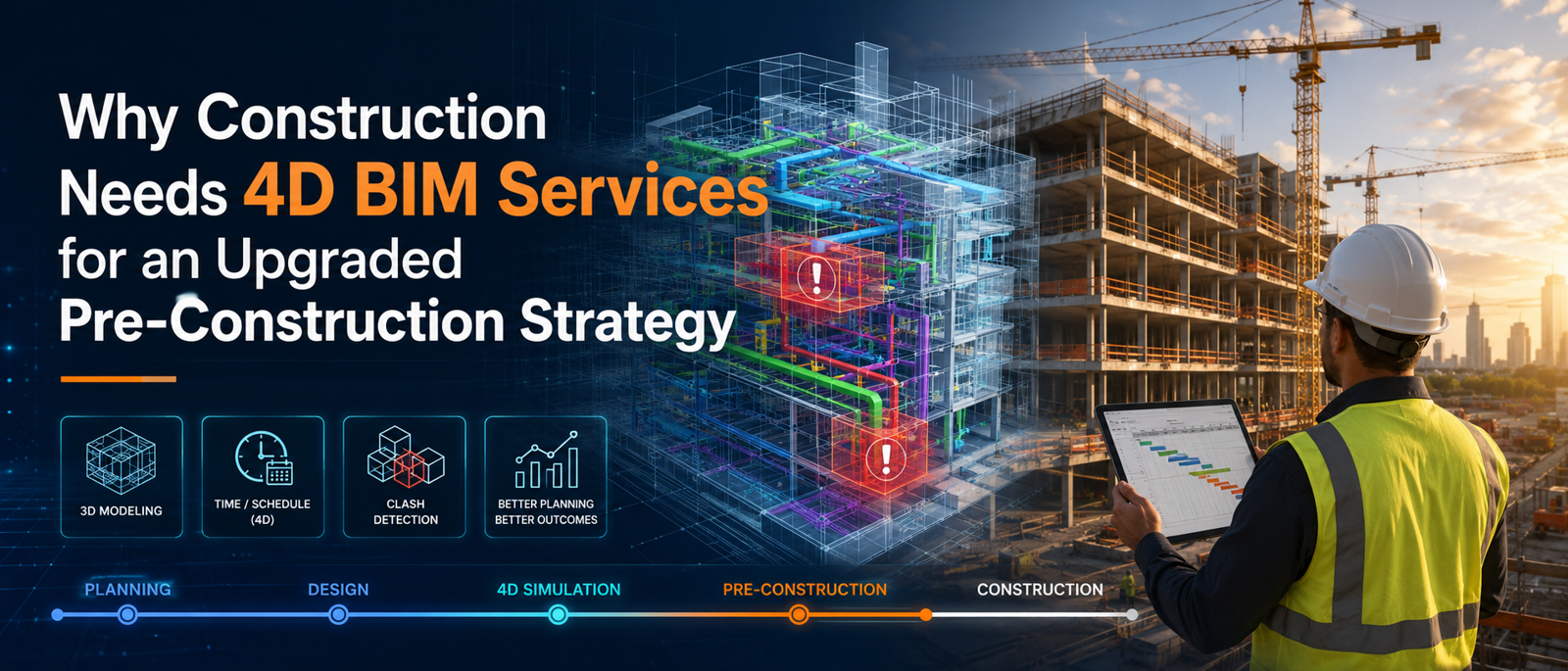
The term "Digital Twin" used to be a buzzword for a fancy 3D model. Today, it’s the heartbeat of the job site. By integrating IoT sensors with our BIM data, we’re seeing a 15-20% reduction in rework.
If you want to see the full scope of what’s hitting the field this year, I highly recommend checking out this breakdown of the top construction technology trends for 2026. It highlights how robotics and modular construction are finally becoming the standard rather than the exception.
3. Reality Capture and Field Robotics
We’ve moved past the era of "walking the site" with a clipboard. Handheld LiDAR and autonomous rovers (like the latest iterations of Boston Dynamics' Spot) are performing daily scans.
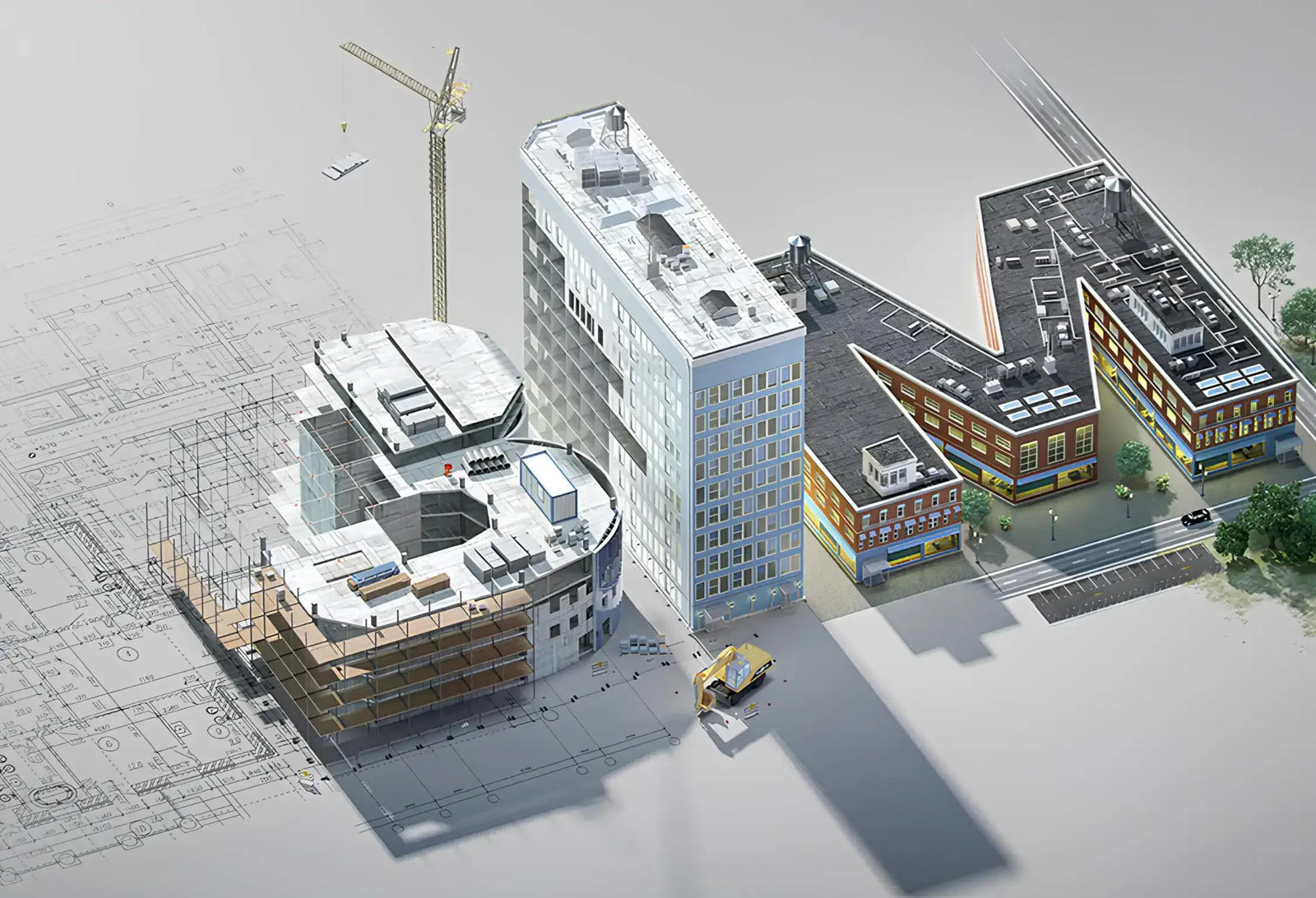
The Result: We can overlay the "As-Built" data against the "As-Designed" model every 24 hours.
The Benefit: If a sleeper wall is two inches off, we catch it before the concrete pours, not three weeks later when the MEP subs arrive.
Actionable Takeaways for AEC Leaders
If you’re looking to implement these 2026 trends without crashing your overhead, start here:
Prioritize Data Cleanliness: AI is only as good as your Revit families and historical data. Standardize your templates now.
Upskill Your Field Teams: A superintendent who knows how to read a tablet-based AR overlay is worth their weight in gold.
Invest in Integration: Don't buy "point solutions." If your tech doesn't talk to your BIM software, it’s just another silo.
The Bottom Line
The "Construction Tech" of 2026 isn't about replacing the human element; it’s about giving us a clearer picture of reality. We’re finally reaching a point where the digital model is a reliable single source of truth from the first sketch to the final facility management handover.


Write a comment ...